
The Strait of Hormuz – A Very Strange Tug-of-War
Fri 12:42 pm +00:00, 20 Mar 2026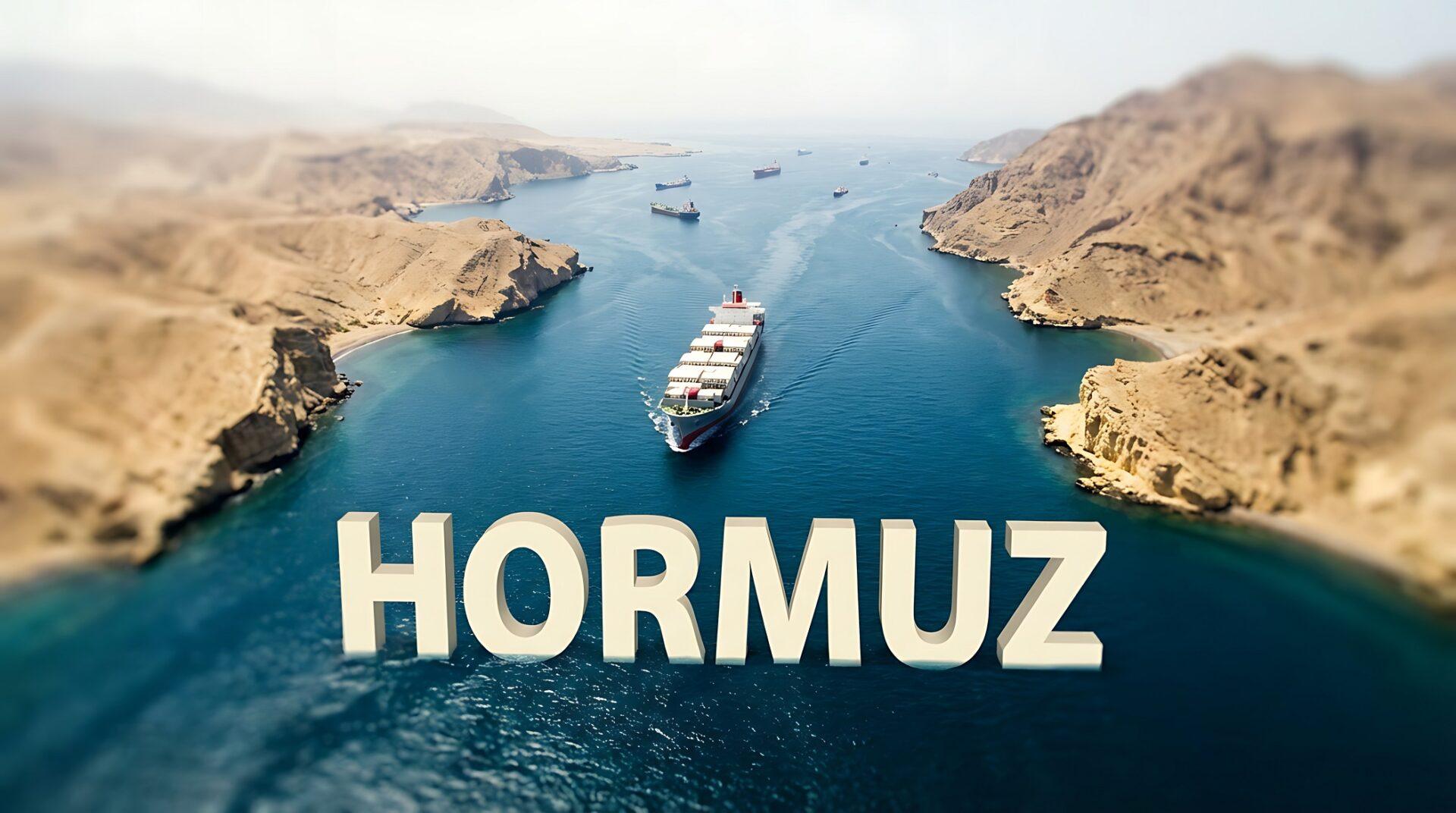
Source: https://off-guardian.org/2026/03/18/the-strait-of-hormuz-a-very-strange-tug-of-war/
Since the US/Israel began their war – sorry, their “targeted, limited, combat operation” – hard facts have been hard to come by.
In a more than usually cloudy combat narrative, we’ve been told that Iran is winning AND losing, depending who you ask. It’s a regime change war, but also it isn’t. Various Iranian officials have been killed, and some came back. Netanyahu was briefly dead, too. There was talk of a tactical nuke.
Nowhere is this fog of war thicker than in the Strait of Hormuz, about which it is seemingly impossible to get a *ahem* strait answer.
The coverage is so fast-paced and contradictory it conjures up images of an elaborate game of “yes, and…” being played by members of an improv group who have totally different goals for the story, and secretly hate each other.
Within hours of the initial bombing raids of “Epic Fury”, Western news sources were reporting that Iran had closed the strait of Hormuz.
Then Iran said they hadn’t, but they were threatening to.
Then Western insurers stepped in, forcing a closure in effect by refusing to cover ships passing through the strait.
Then Donald Trump said the US military would insure the ships, and offered them military escorts as well.
Then we were told that Iran couldn’t close the Strait, even if they wanted to, because their navy had been totally destroyed.
Then the press reported that Iran had mined the Strait with “about a dozen mines”, despite Iranian officials denying this entirely.
More strangely, even US Secretary of War, Pete Hegseth, refuted the presence of mines, telling a Press Briefing, “We have no evidence of that.”
Which raises an interesting question: If both the governments involved in this war say there aren’t any mines, who is saying there ARE mines? And why?
Who is overruling both the Pentagon and the Iranian Foreign Ministry? And why are the vast majority of the press accepting their word?
Unfortunately, if there ARE mines, the US Navy is in no position to do anything about them, since they decommissioned their four minesweeper ships in September, and then sailed them out of the area in January.
Given that Iran mining the Strait is a very obvious potential outcome of any conflict, one the US has likely wargamed dozens of times in the last fifty years, this is “incompetence” so incredible it’s virtually self-sabotage.
Some politicians recently suggested they could use mine-sweeping drones to keep the trade line open, but the press shut that down immediately, reporting that “Mine-Sweeping Drones Don’t Eliminate The Risks For Clearing Hormuz”
So the press and politicians are engaged in a debate about the best way to remove mines that are not confirmed to be there, and that both sides officially state do not exist.
Meanwhile, Iran is offering safe passage through the Strait to ships from China, or ships trading in Yuan, or just anyone who asks nicely. Which seems to suggest they are telling the truth about the absence of mines.
Which again raises the question of why the press seem so keen for those mines to be there.
All of these contradictions generate a list of pressing questions:
- Is the Strait of Hormuz open or closed?
- If closed, who closed it and how?
- Why can’t the US Navy keep the Strait open?
- Does Iran have any Naval ships left? Or have they been sunk?
- Are there mines deployed? How many?
- If there are mines deployed, could Iran offer safe passage as it is allegedly doing?
…all of which have either no answers at all, or multiple contradictory answers.
It seems clear that large sections of the establishment want the Strait of Hormuz closed, or at least to make everyone believe it’s closed. The broader strokes of “why” are obvious: Drive up prices, cultivate shortages and panics. Chaos. Even better, expensive chaos. The best kind.
But it also seems like Donald Trump and those close to him don’t want the Strait closed and are trying to insist it is open and can be kept open.
Hence, we can only suppose, the back-and-forth claims –
“it’s closed!”
“No, it’s open”
“Definitely closed actually – and mined!”
“Nope, open, open, open, open”
“Closed, closed, closed closed – mines everywhere…”
Two drivers fighting over a steering wheel, while the car manically veers and swerves back and forth.
This struggle over the direction of the story appears to be ongoing; just yesterday, Trump was pleading with NATO allies to help keep the Strait open. It doesn’t look like they’re going to help.
The press is even planning ahead by positioning for the economic impact of the Hormuz closure to persist past the end of the war.
The Financial Times headlines…
Why Hormuz will haunt us long after this war ends
And goes on to say…
It is not in Trump’s power to reopen this vital sea passage by declaring victory and walking away. Instead his war with Iran — and the particular issue of the Strait of Hormuz — will define the rest of his presidency and may haunt his successors.
That is because the strait’s closure creates both an immediate crisis and a long-term strategic quandary. The current problem is that the longer it is closed, the greater the threat of a global recession. The future dilemma is that Iran now knows that control of the Strait of Hormuz gives it a stranglehold over the world economy. Even if it relaxes its grip in the short term, it can tighten it again in future.
Do you see?
In a move straight out of Wag the Dog, they have insured the narrative against anyone, be it Pezeshkian/Trump/Hegseth/Netanyahu/ or anyone suddenly claiming the war is over and ruining the plan.
They’re telling us even if that happens, even if the sides were to come to terms and end hostilities, we’ll still be “haunted” by Hormuz and “feel the effects of the closure” long after any fighting is finished.
That makes it very clear, doesn’t it?
It is vitally important to the greater narrative that the Strait of Hormuz is closed.
Possibly indefinitely