Syrian Crisis Analysis: SAA on Verge of Collapse? Or Have Jihadists Overplayed Their Hand? Simplicius (Free first section only)
Fri 9:45 am +00:00, 6 Dec 2024
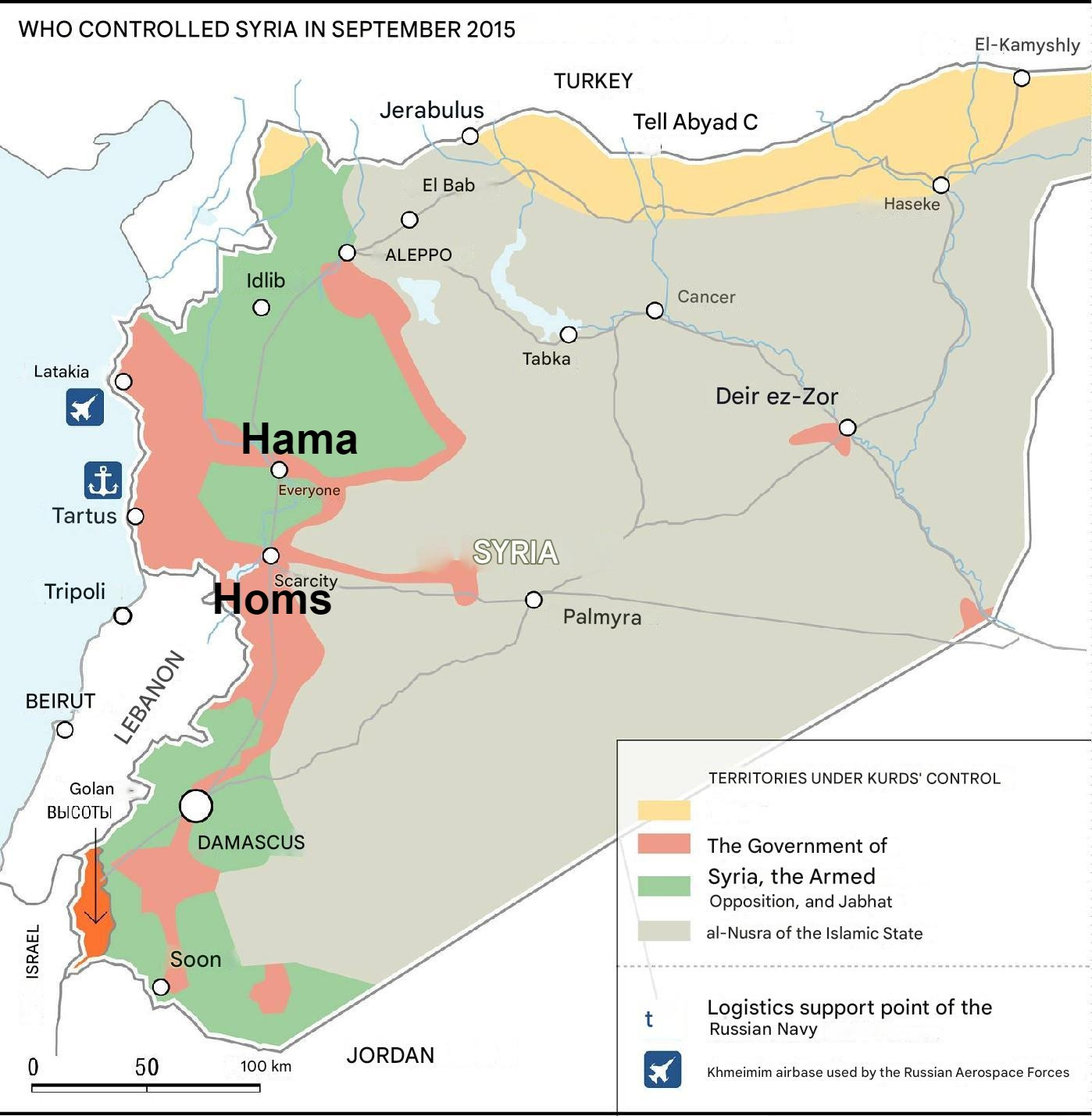
The following is a very large and detailed (5,700+ words, 1,200+ of which left free to public) analysis on the current and unexpected Syrian crisis, covering the key questions of how and why it happened, who’s to blame, and the outlook for the future. The collapse of Syrian Arab Army’s lines this past week have shocked observers, including yours truly. Few expected a lightning offensive to even grab as many villages west of Aleppo as it did, let alone all of Aleppo itself; and now even Hama has fallen, which has stood unconquered even throughout the darkest points of the ‘Syrian Civil War’. For context, here’s the 2015 control map which shows Syria on the brink, just before Russia intervened in September 2015:
As one can clearly see, the situation was far more dire, with even parts of Damascus having fallen, but somehow Hama still stood. Today it fell swiftly without even a fight.
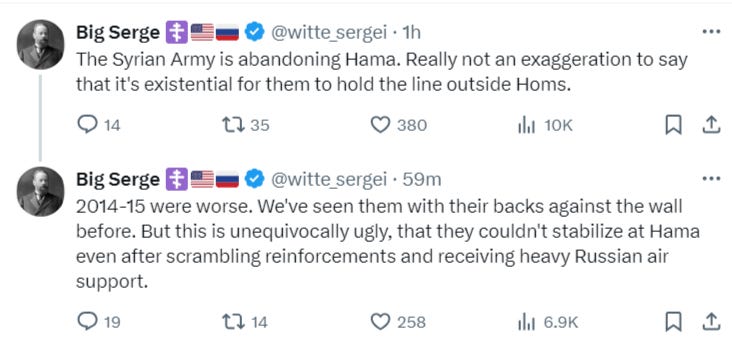
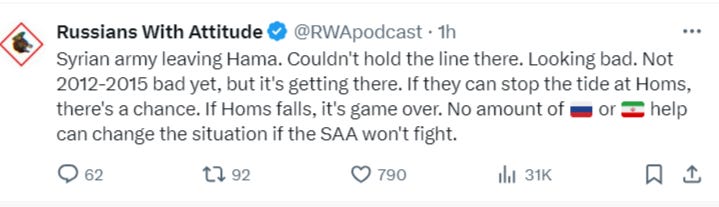
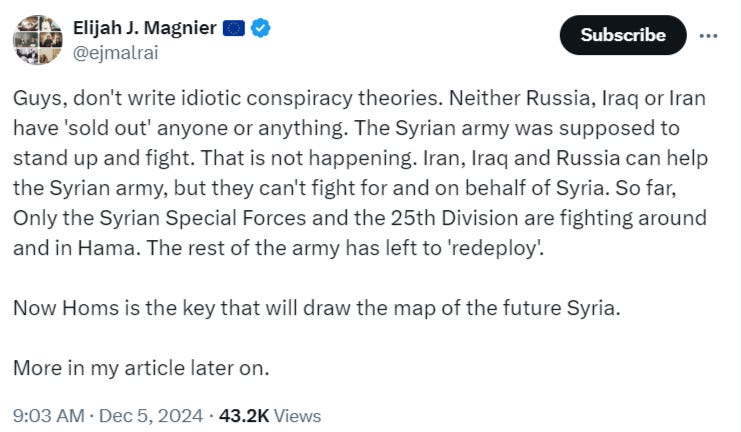
The above analysts point to Homs as the last critical bastion, and it’s true: other experts with connections to the region, like Elijah Magnier, claim that Homs has been designated as the main line of defense.
There are many pressing questions: How could this happen that the SAA was caught so flat-footed and unprepared? Who is to blame? And is there any chance of reclaiming lost territory, or is it pretty much over? The extent of SAA’s ‘defensive lines’ in Hama: 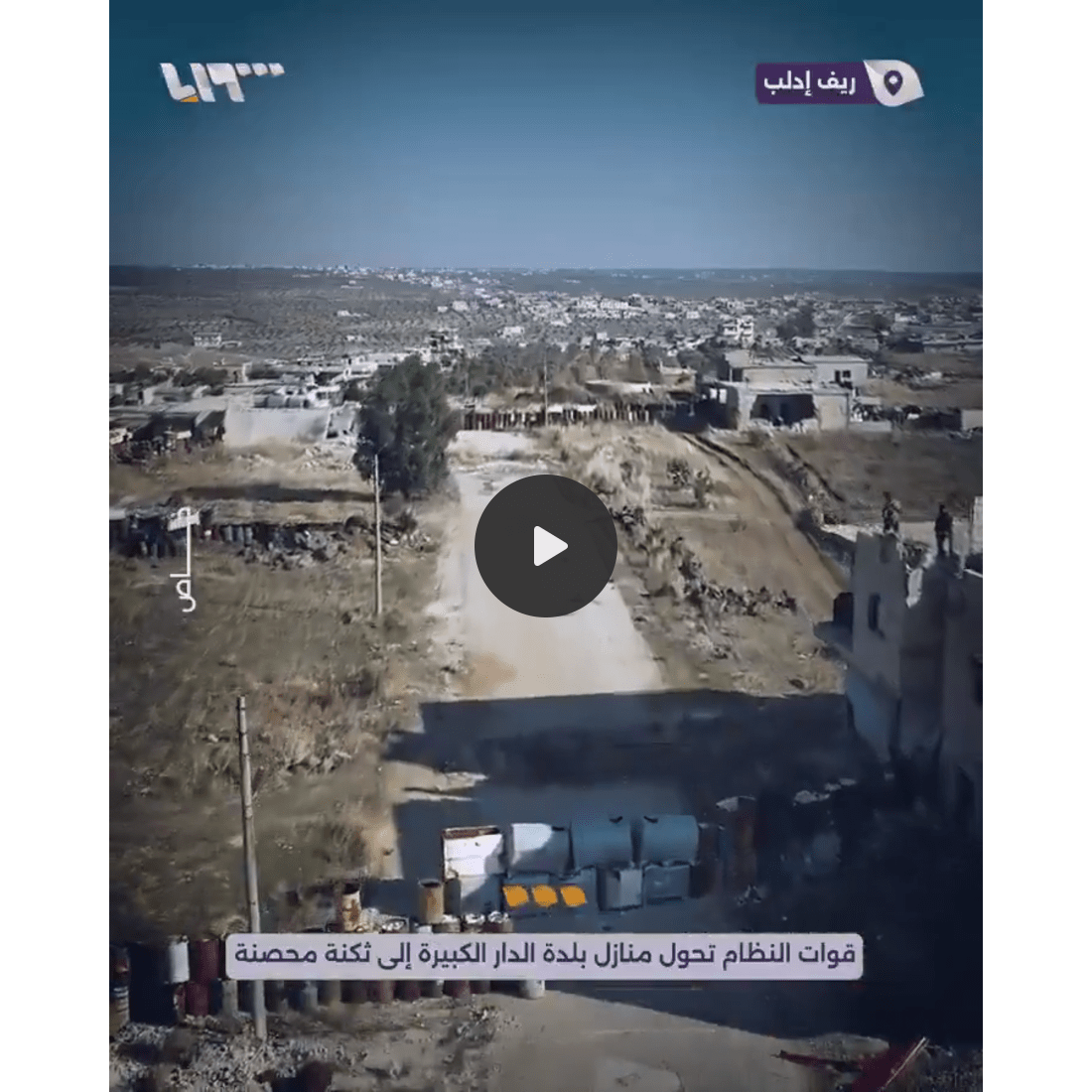 Joulani Cleans UpFirstly, the attack by HTS and various ‘rebel’ groups was well organized and clearly planned over a long time period—two years, by one account, which just ‘happens’ to coincide with Russia being tied down in Ukraine at the start of 2022. They admitted this much themselves after capturing Aleppo, in one interview explaining how long they had planned every detail of Aleppo’s capture. The natural kneejerk reaction is that a large intelligence failure on Russia, Syria, and Iran’s behalf allowed this to occur under wraps. But it must be said several reports as far back as October seemed to indicate HTS and co. were planning an attack of this sort.
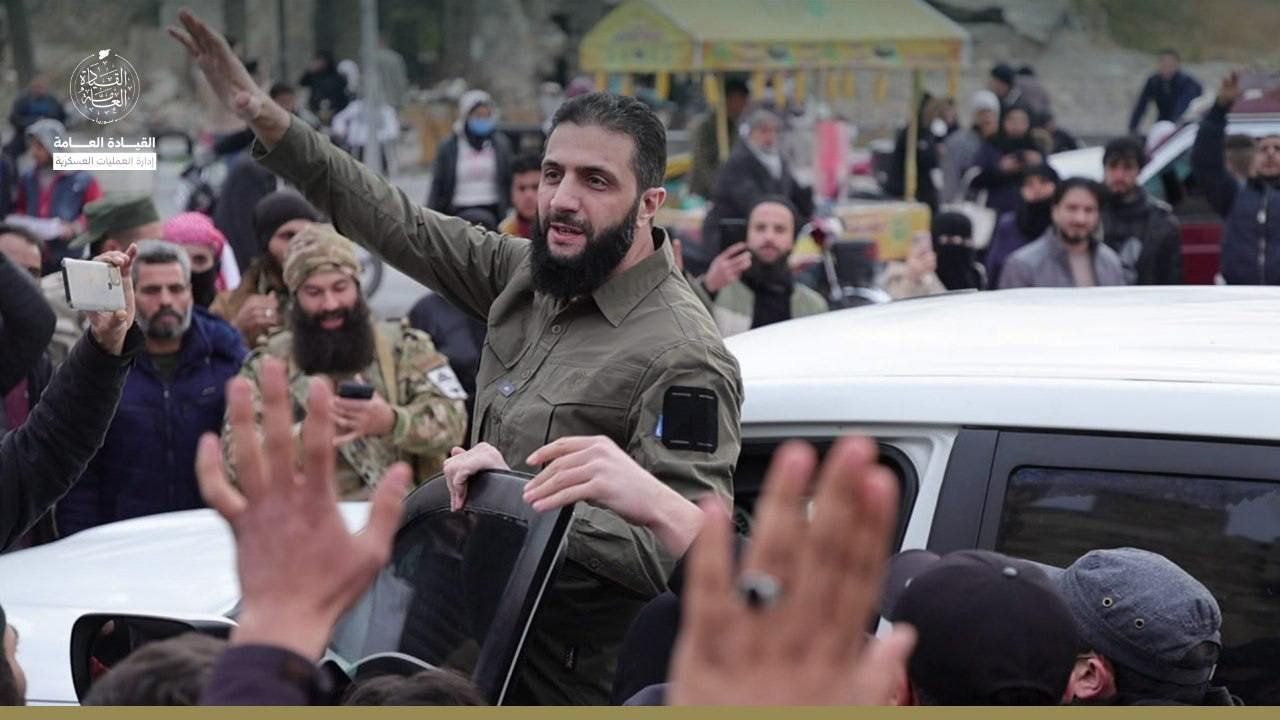
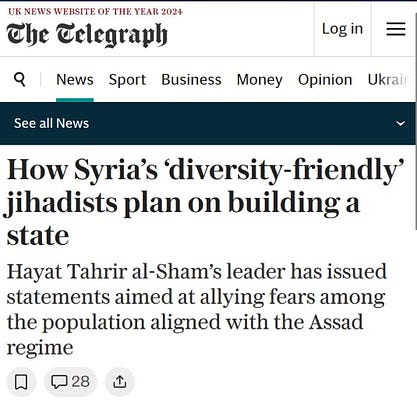
The next element was that, despite obviously being an incorrigible terrorist, HTS’ leader Al-Joulani is an intelligent, savvy, and influential leader who has not only consolidated power, but has been busily coalition-building these past few years. Under his stewardship, HTS has attempted to rebrand itself away from the ‘jihadi’ movement into a new broader form of ‘nationalism’ that seeks to win with ‘honey’ what couldn’t be won with vinegar. Here I begrudgingly use Charles Lister as a source, but he has written up an effective explainer of HTS’ recent coming of age under Joulani. This is what’s prompted the rash of MSM articles attempting to whitewash Joulani and his movement:
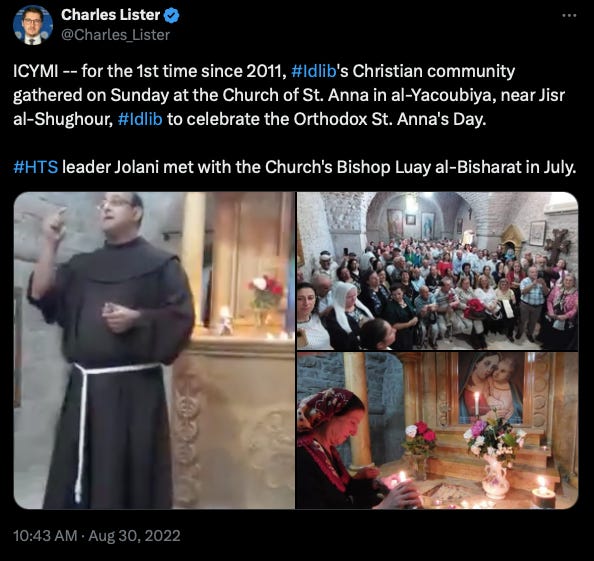
There’s truth to the above, but that doesn’t mean the efforts have been genuine. It’s clear that Joulani has received the backing of powerful interests to, essentially, depose Assad and become new Emir of Syria, but one who is palatable and able to be repackaged to Western audiences. That means his image had to undergo a major rebranding, which is what’s happening now. The reports of his suddenly showing a softer side, courting Christians, Alawis, and the like (rumor of him appointing a Christian bishop as governor of Aleppo), particularly in newly-captured Aleppo, are true to an extent, but it’s obviously a ploy to win wider international support and present as a legitimate leadership figure, while sweeping his radical salafist past under the rug.
In the earlier article, Magnier writes:
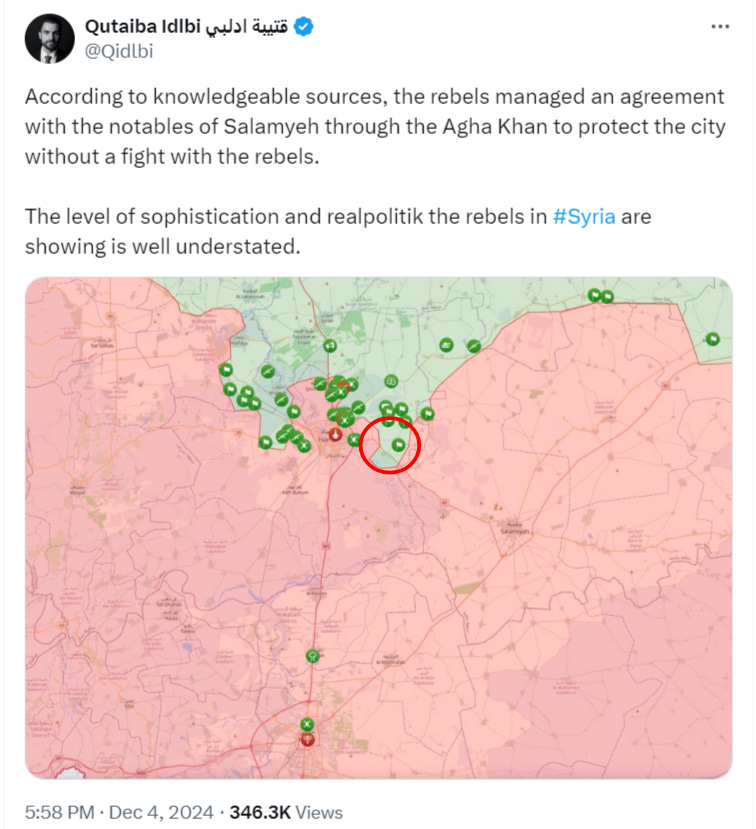
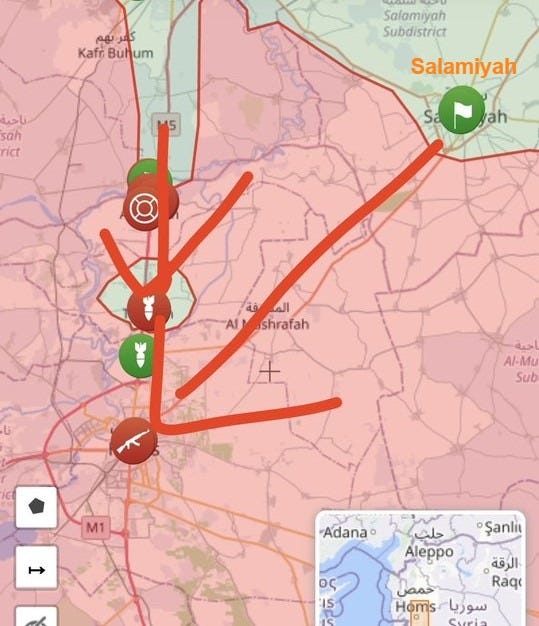
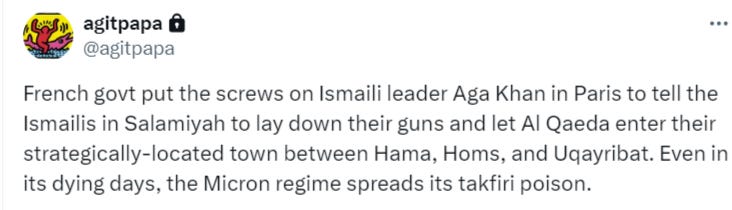
In short: one can see the traces of a very well-developed hybrid campaign that spans both military, political, and ideological spheres. This has extended to being a critical component of Hama’s capture, wherein HTS reportedly made overtures to the Ismailis in Salamiyeh, a town at Hamas’ vital eastern flank, to put down their arms peacefully, allowing Hama’s encirclement:
Now Salamiyeh has become a key enveloping vector toward Homs:
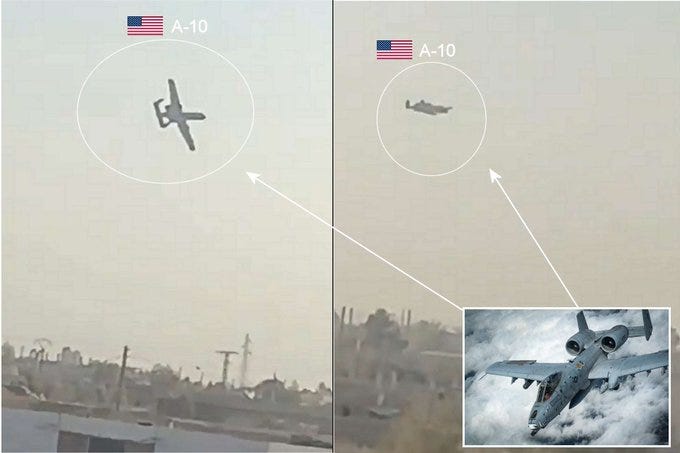
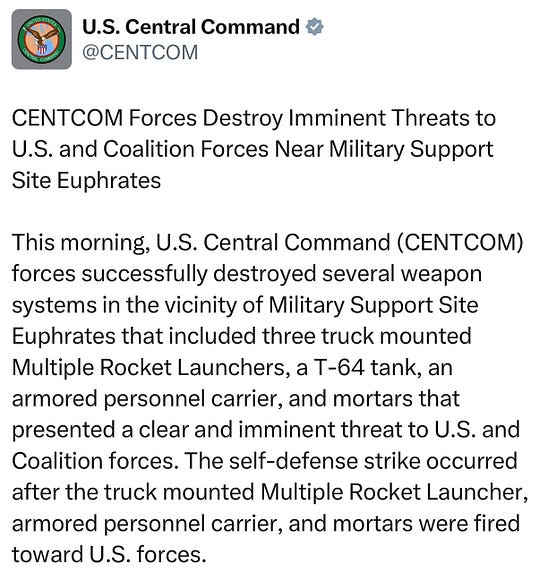
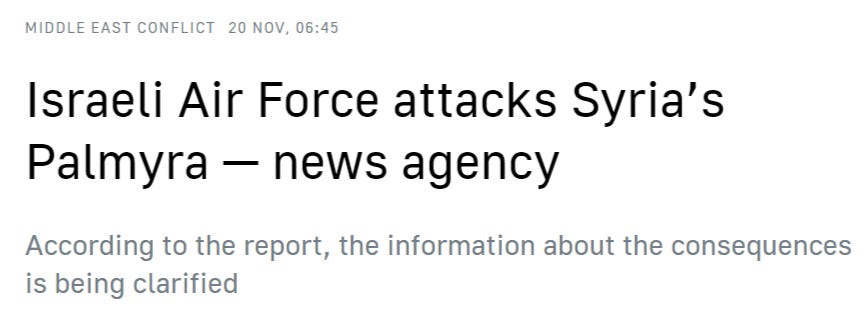
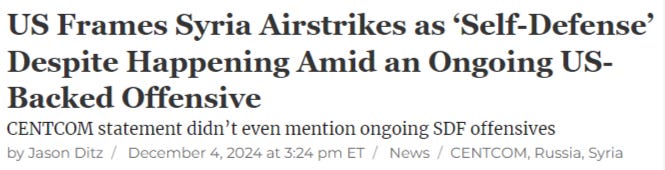
And the above has been a common theme: HTS—which is essentially Al-Nusra and Al-Qaeda by direct lineage—being obliquely assisted by various exogenous forces in every possible direction. For example:
There’s an unverified report that Lloyd Austin has now ‘denied’ these attacks, but videos show American A-10s flying low over Deir Ez Zour region yesterday:
In short, Syria is being ganged-up on from literally every side: north, east, south, and west. Russia and Iran obviously have had their hands full in both Ukraine and Lebanon and cannot offer as many resources as in the past—at least for the time being. However, the conflict is in many ways existential to them both; for Russia, it threatens to bring its lone Mediterranean warm water port into peril. As of this writing, several Russian jets including a large military cargo Il-76 have reportedly landed at Hmeimim with rumors of reinforcements. Iran too has officially stated they would send a full military ‘deployment’ to Syria if requested. Other unverified reports claim Iran can send two combat brigades. Hezbollah Al-Radwan special forces—rumored to be 200 in number or more—are said to be arriving in Homs for the last stand. Weaknesses of the Resistance SphereGetting back to diagnosing the issues. Many are jumping to conclusions, angrily assigning blame to one side or another. “Russia betrayed their allies as usual! Russia should have given Syria the proper air defenses to ward off Israeli attacks which have weakened the SAA! Russia should not have gullibly trusted Turkey on the Astana agreements!”…  Continue reading this post for free in the Substack app
|