
What They Don’t Tell You About Anxiety and The Dangers of Benzodiazepines
Mon 8:18 am +00:00, 3 Feb 2025 3 The forgotten treatments for anxiety and the immense dangers of inappropriately prescribed benzodiazepines
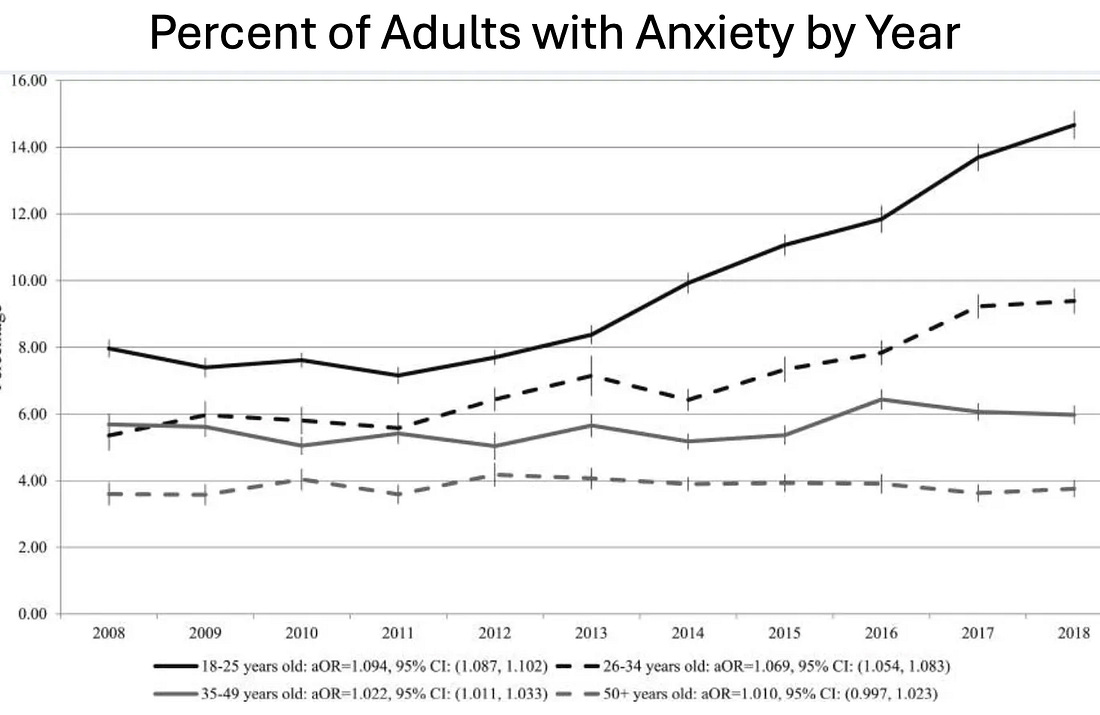
Story at a Glance: •Selling addictive drugs is a highly reliable business model, and over the years, a variety of questionable drugs have been pushed upon us that target the inhibitory system of the brain alcohol also acts upon. •The current preferred product, benzodiazepines (benzos), have a significant number of issues (particularly in the elderly), such as causing cognitive impairment, lightheadedness, poor coordination and fatigue (which collectively increase the risk of car accidents or falls), harming fetuses, and worsening the symptoms they treat (e.g., insomnia, anxiety, muscle spasms). Worst of all, they can cause respiratory depression and thus lethal overdoses (especially when combined with opioids). •One of the most insidious issues with benzodiazepines is that they quickly create a physiologic dependence, and as a result, benzodiazepine addiction has been a widespread problem for decades. •Unfortunately, while many of the issues with benzodiazepines (which in certain cases are very helpful) could be avoided with appropriate prescribing, the 15 minute visits created by insurance-run medicine makes physicians rarely have the time needed to appropriately prescribe them. As a result many who should not be on benzodiazepines are, and sadly, often are for decades. •Many different types of anxiety exist (with different root causes and treatments). Unfortunately, medicine frequently erroneously views anxiety as a single disease entity, and as such, often treats it in a manner that is not actually indicated for their type of anxiety. •This article will discuss the different types of anxiety, their root causes (much of which result from the unhealthy lifestyle modern living puts us in), the most effective natural (or conventional) treatments we have found for anxiety, and the most effective strategies for navigating the challenging process of withdrawing from benzodiazepines. Note: in a recent article on the immense dangers of SSRIs, I posted a poll asking if there was a reader interest in this topic. As there many were, I spent the last week working on this article. Many consider anxiety to be the disease of the modern age. It is thus one of the most significant disease markets in America (e.g., from 2001-2004, approximately 19.1% of American adults had an anxiety disorder. In 2007, 36.8 billion was spent on medical care for anxiety and mood disorders). Yet despite spending billions on anxiety, rather than be appropriately addressed (like many other industries that depend upon the perpetuation of the problem they “solve”), it has only increased.
Note: a recent survey found slightly over half of young adults (18-26) now suffer from anxiety, 43% have panic attacks, a third take anxiety medications, 54% found they became worse in 2023, and 26% of themwere diagnosed with a new mental health condition due to COVID-19. All of this suggests we may not be utilizing the best approach to deal with anxiety—particularly since the drugs used to treat it are some of the most problematic ones on the mark |











I appreciate you putting this on D’ esp after my likely inappropriate advice earlier. I am aware of the dangers of addiction to Benzo’s. They are extremely addictive and extremely difficult to come off. I know that from experience. When first available, they were dished out like sweets. They, however are still very useful for short term help. Again, from personal experience. Every case however is different, and as Pete correctly pointed out in the other post, my advice is just that and not medical advice.
“They, however are still very useful for short term help ”
My wife’s experience too Ian
To be fair to her quack she was told that they will not prescribe them for regular use, only for short term relief because they are very addictive. They DID work in that short term respect for her but they are not a solution or a cure. That has to come from within via a more balanced body and mind
Agreed Pete.