https://addi.ehu.es/bitstream/handle/10810/43990/s41467-020-16297-3.pdf%3Bjsessionid%3DAEE6C9AC6FF000AC65799DCE95533874?sequence=1
https://pubs.acs.org/doi/10.1021/acsnano.1c10919 Nanotechnology for a Sustainable Future: Addressing Global Challenges with the International Network4Sustainable Nanotechnology | ACS Nano
https://doi.org/10.1021/acsnano.1c10919
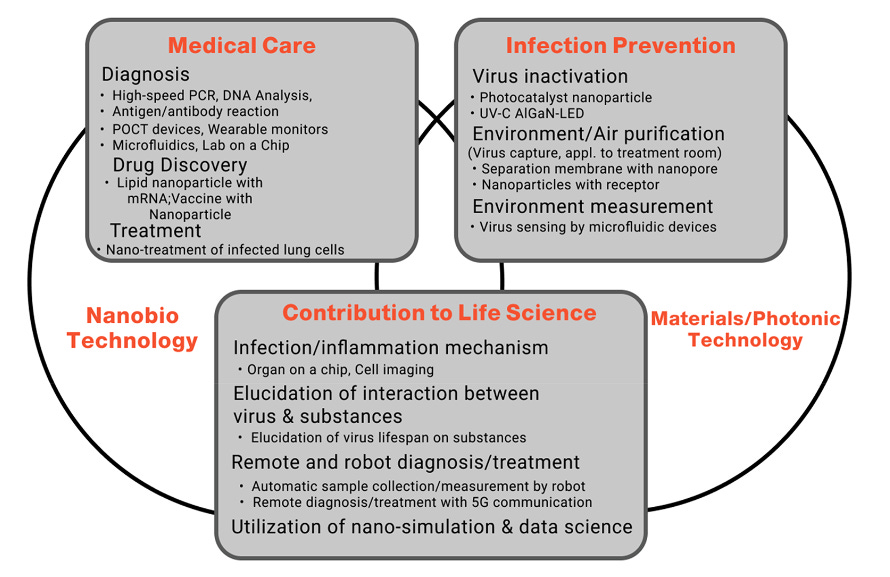
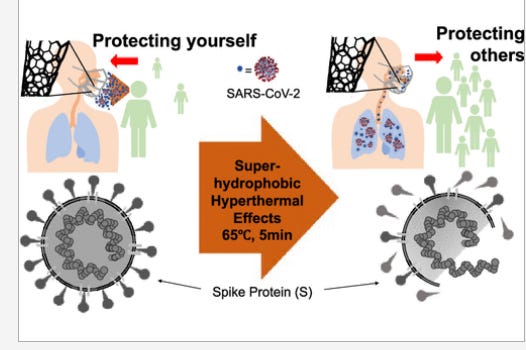
Figure 7. Contributions of nanobio/materials/photonic technologies to emerging infectious diseases. PCR, polymerase chain reaction; POCT, point-of-care testing; UV, ultraviolet; LED, light-emitting diode.
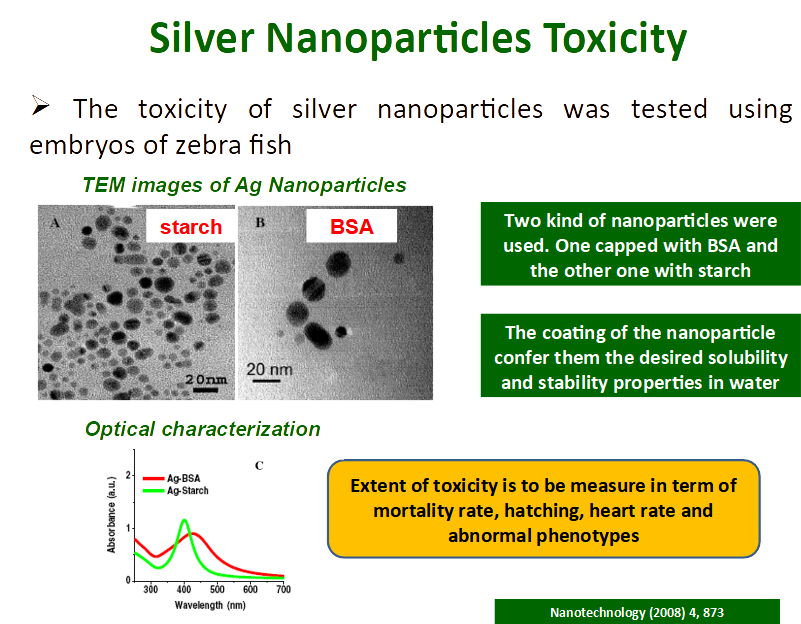
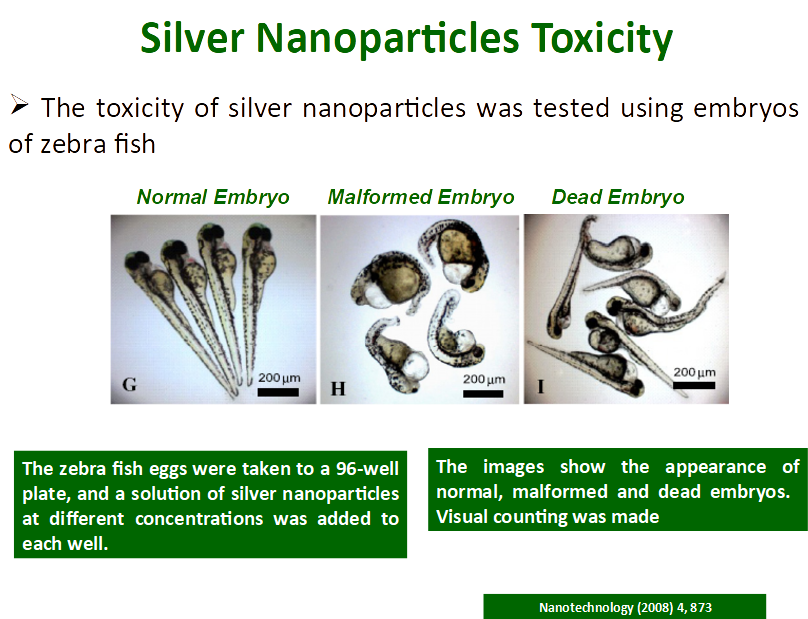
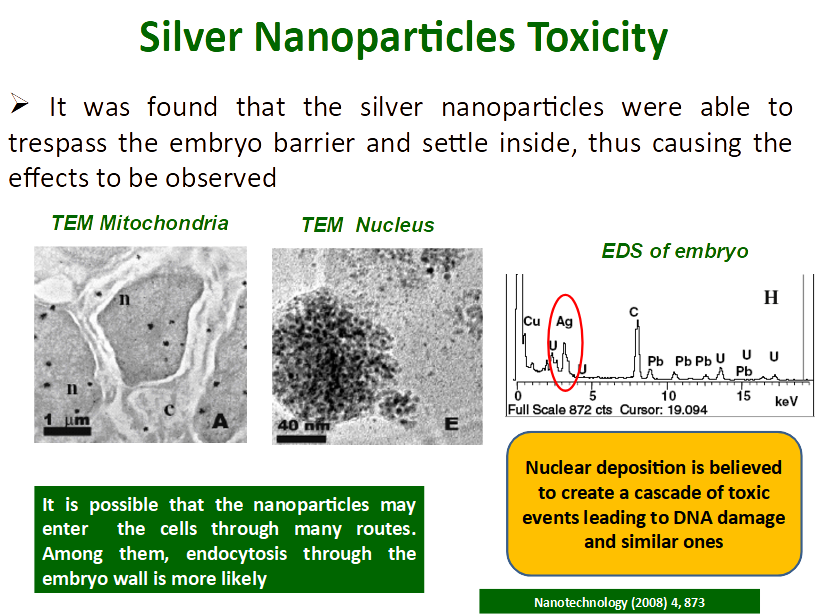
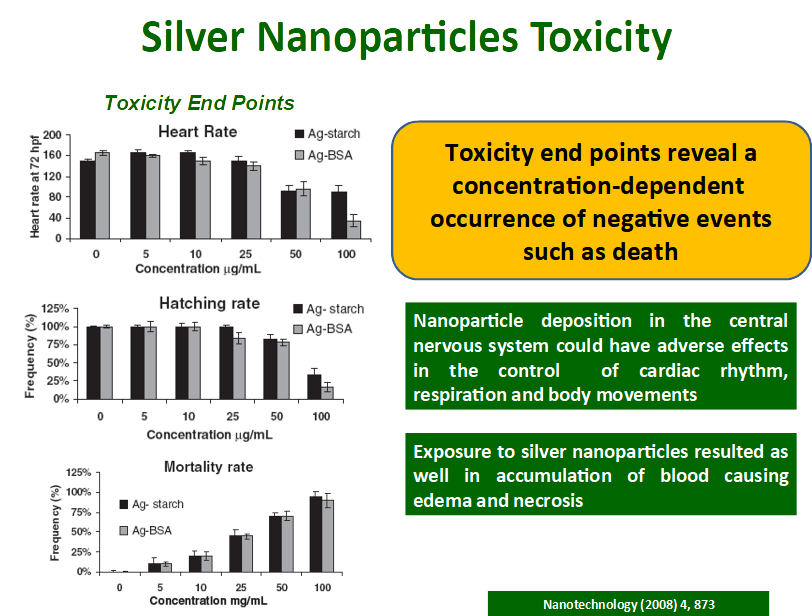
https://web.archive.org/web/20040926172352/http://www.nanoscience.gatech.edu:80/dfmoore/nanodangers.ppt
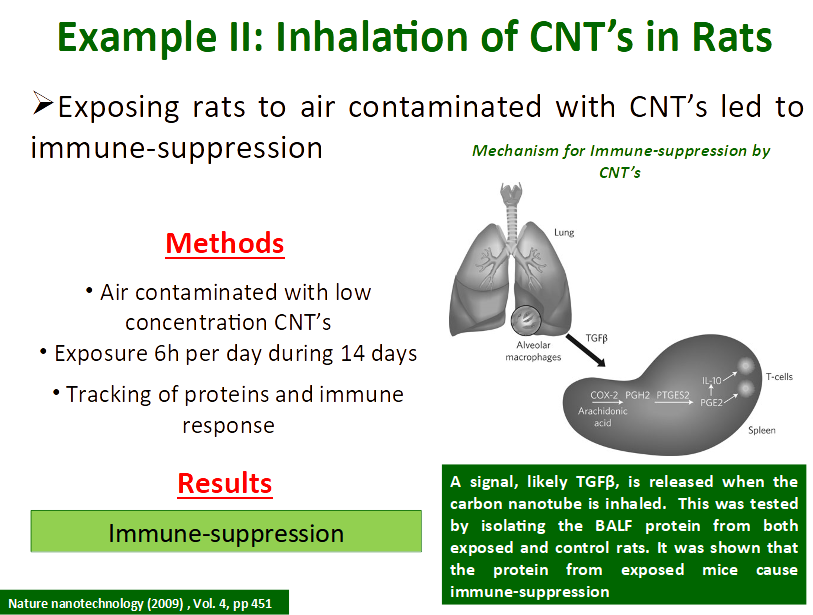
https://web.archive.org/web/20100619234814/http://www.che.tamu.edu/orgs/groups/Seminario/nanotechnology/PLong_G4_Nanotoxicology_Diego_Gomez.ppt
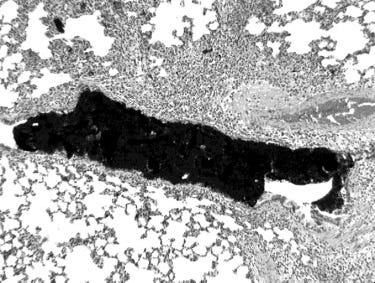
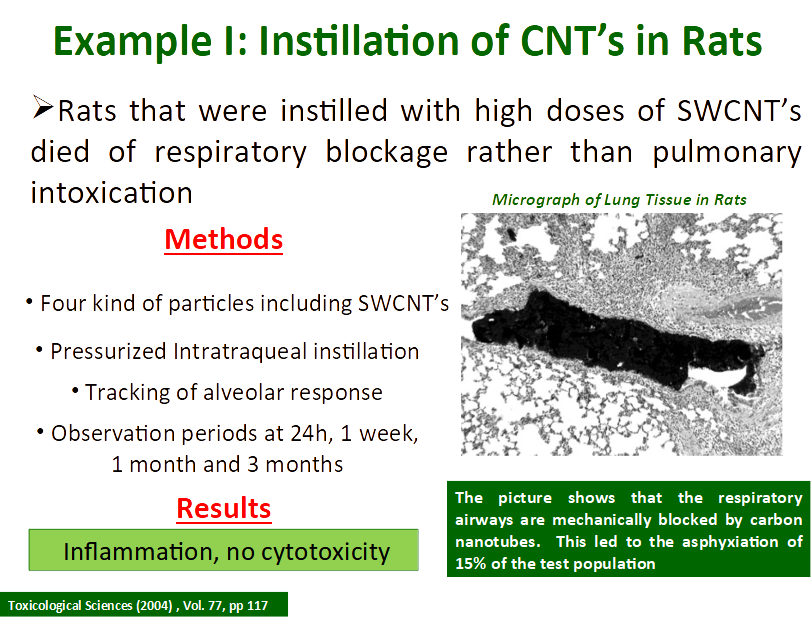
The picture shows that the respiratory airways are mechanically blocked by carbon nanotubes. This led to the asphyxiation of 15% of the test population
(Toxicological Sciences (2004), Vol. 77, pp 117)
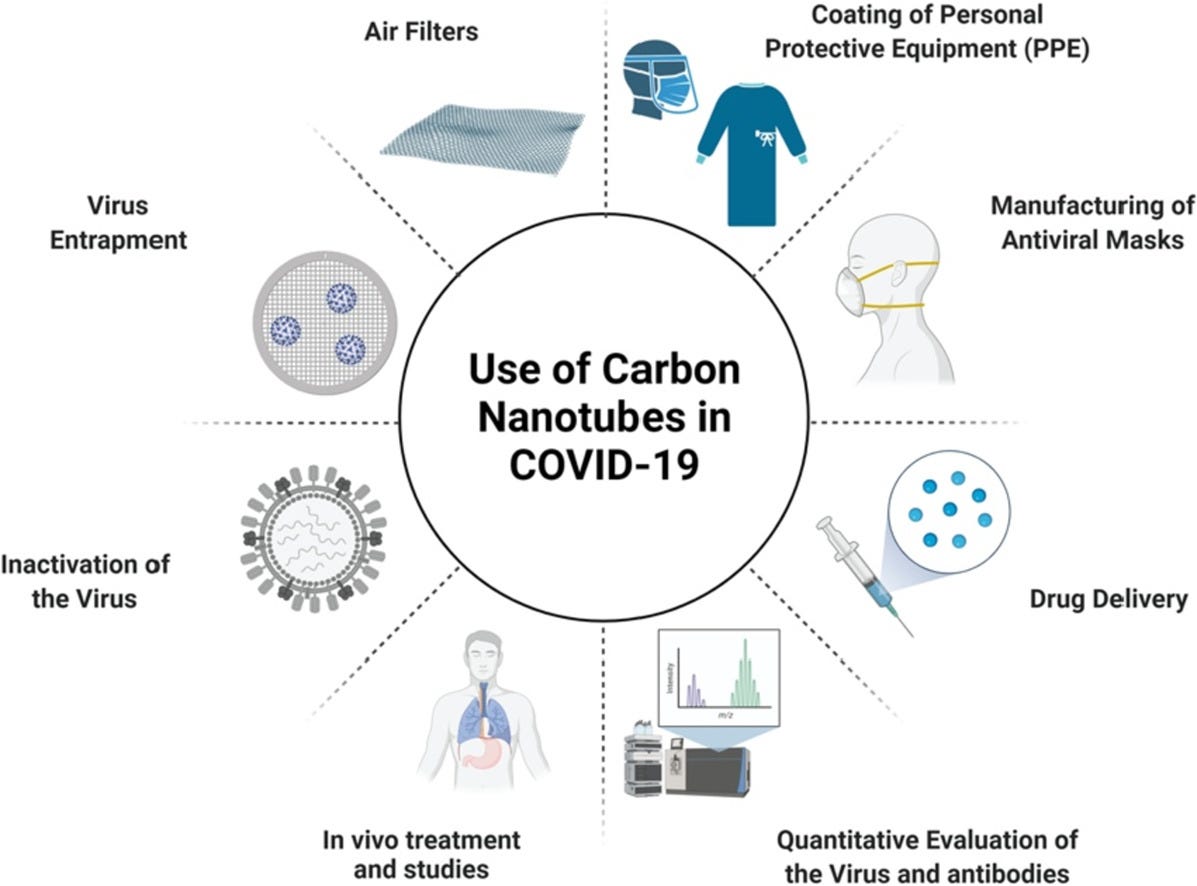
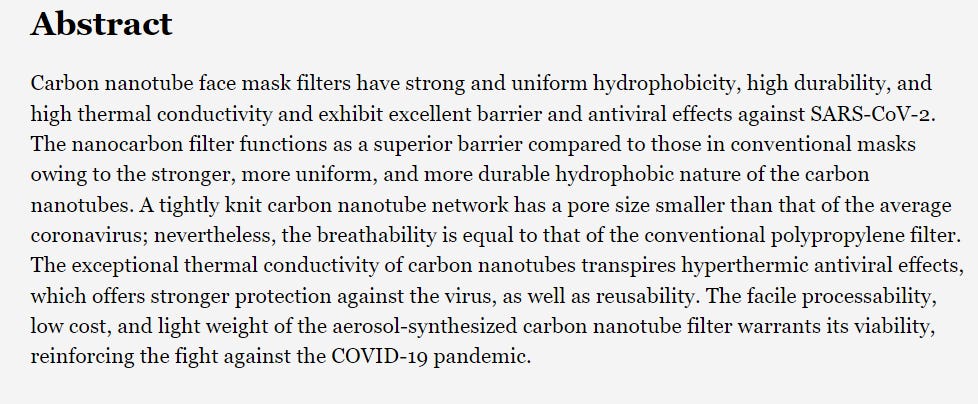
https://www.sciencedirect.com/science/article/pii/S2215038221001849 Carbon nanotubes in COVID-19: A critical review and prospects – ScienceDirect
https://testpubschina.acs.org/doi/10.1021/acsanm.1c01386
(https://web.archive.org/web/20100619234814/http://www.che.tamu.edu/orgs/groups/Seminario/nanotechnology/PLong_G4_Nanotoxicology_Diego_Gomez.ppt)
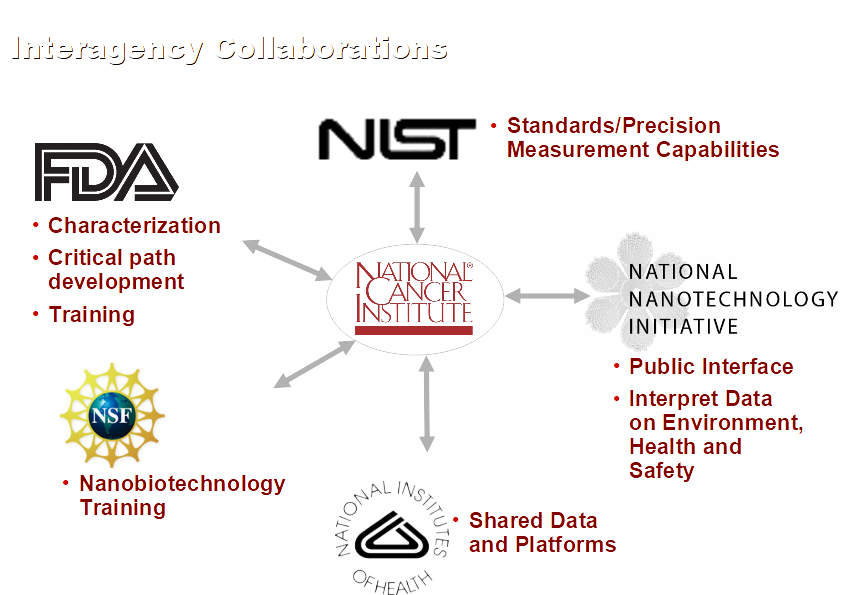
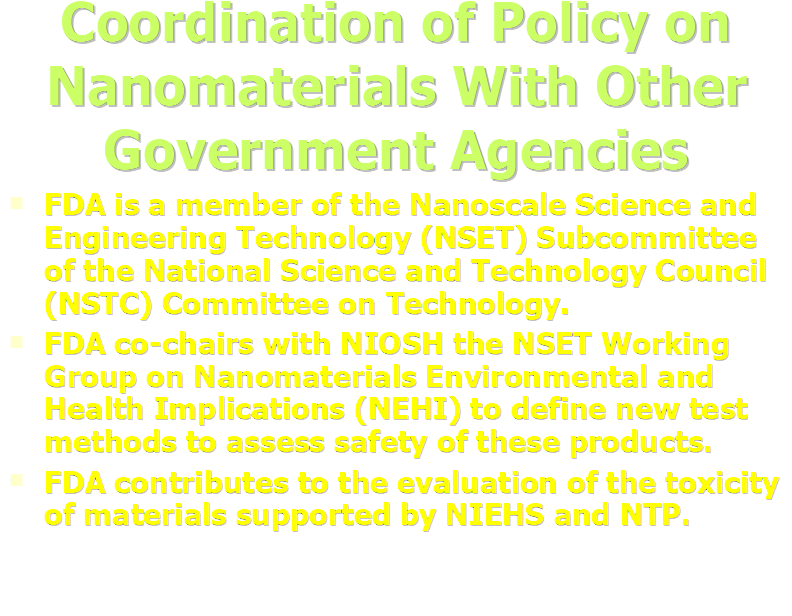
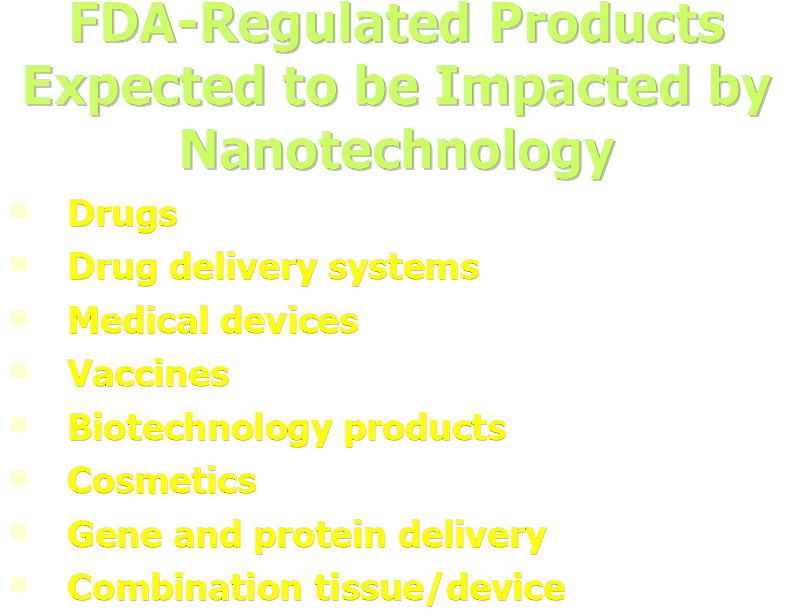
https://web.archive.org/web/20090712082036/http://www.fda.gov/downloads/ScienceResearch/SpecialTopics/Nanotechnology/NanotechnologyTaskForce/ucm111399.ppt
https://web.archive.org/web/20051031223004/http://www.fda.gov/nanotechnology/ILSI-HESI-ann-mtg-pres-1-17-05.ppt
www.FDA.GOV/NANOTECHNOLOGY
http://wowjava.files.wordpress.com/2009/09/nanotech.ppt
https://environmentjournal.online/features/nanoparticles-pose-major-threat-to-our-environment-scientists-warn/
The researchers found that a common, non-disease-causing bacteria found in the environment developed rapid resistance when it was exposed to nanoparticles.
https://www.futureforall.org/nanotechnology/risks.htm
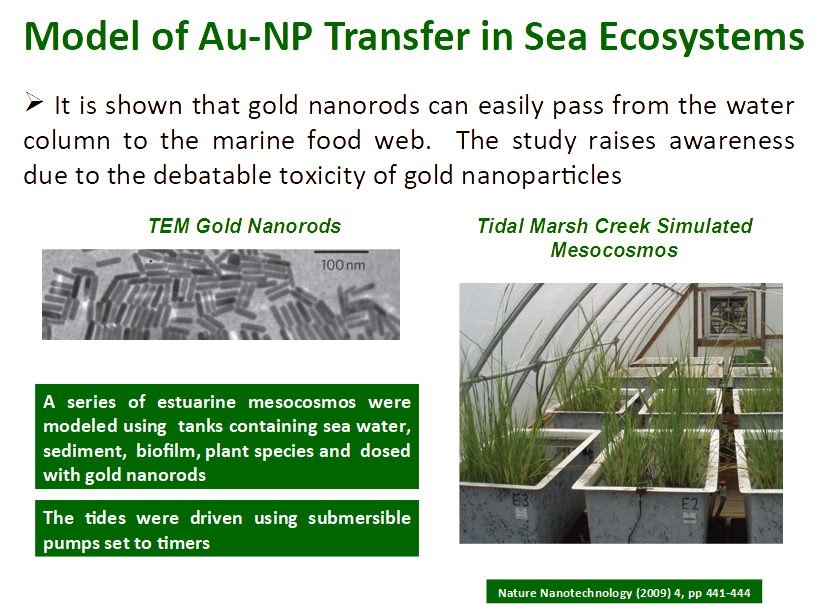
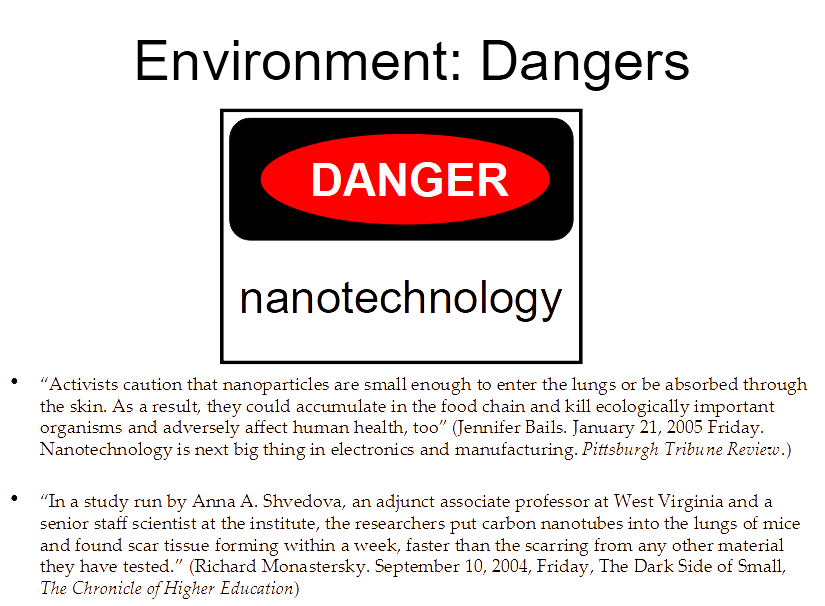
Nanoparticles are very small and can easily enter the environment, including air, water, and soil. Once released, they can potentially have harmful effects on the environment and living organisms.
For example, nanoparticles may accumulate in the soil, affecting plant growth, and in aquatic environments, they can accumulate in the tissues of fish and other aquatic animals, potentially affecting their health. Additionally, nanoparticles may also affect the balance of ecosystems by disrupting natural processes.
The small size of nanoparticles allows them to penetrate biological barriers, such as cell membranes and the blood-brain barrier, potentially causing harm to living organisms. For example, some nanoparticles have been shown to cause inflammation and damage to the lungs when inhaled. There is also concern that nanoparticles may accumulate in the body and cause long-term health effects.
A new study published in December 2005 in Biophysical Journal raises a red flag regarding the safety of buckyballs when dissolved in water. It reports the results of a detailed computer simulation that finds buckyballs bind to the spirals in DNA molecules in an aqueous environment, causing the DNA to deform, potentially interfering with its biological functions and possibly causing long-term negative side effects in people and other living organisms.
The research, conducted at Vanderbilt by chemical engineers Peter T. Cummings and Alberto Striolo (now a faculty member at the University of Oklahoma), along with Oak Ridge National Laboratory scientist Xiongce Zhao, employed molecular dynamics simulations to investigate the question of whether buckyballs would bind to DNA and, if so, might inflict any lasting damage.
“Safe is a difficult word to define, since few substances that can be ingested into the human body are completely safe,” points out Cummings, who is the John R. Hall Professor of Chemical Engineering and director of the Nanomaterials Theory Institute at Oak Ridge National Laboratory.
Despite the caveat, Cummings suggests that his research reveals a potentially serious problem:
“The binding energy between DNA and buckyballs is quite strong,” Cummings says. “We found that the energies were comparable to the binding energies of a drug to receptors in cells.”
It turns out that buckyballs have a stronger affinity for DNA than they do for themselves. “This research shows that if buckyballs can get into the nucleus, they can bind to DNA,” Cummings says. “If the DNA is damaged, it can be inhibited from self-repairing.”
Computer simulations
The computer simulations showed that buckyballs make first contact with the DNA molecule after one to two nanoseconds. Once the C60 molecules bind with the DNA, they remained stable for the duration of the simulation.
Researchers tested the most common forms of DNA, the “A” and “B” forms. The “B” form is the most common form. In a stronger saline solution, or when alcohol is added, the DNA structure can change to the “A” form. A third, rarer form, “Z,” occurs in high concentrations of alcohol or salt and was not tested.
The researchers found that buckyballs docked on the minor groove of “A” DNA, bending the molecule and deforming the stacking angles of the base pairs in contact with it. The simulations also showed that buckyballs can penetrate the free end of “A” form DNA and permanently break the hydrogen bonds between the end base pair of nucleotides.
As expected, the buckyballs bound most strongly to single helix DNA, causing the most deformation and damage. While buckyballs did bind to “B” form double-strand DNA, the binding did not affect the overall shape of the DNA molecule.
“Earlier studies have shown both that buckyballs can migrate into bodily tissues and can penetrate cell membranes,” Cummings says. “We don’t know whether they can penetrate a cell nucleus and reach the DNA stored there. What this study shows is that if the buckyballs can get into the nucleus they could cause real problems. What are needed now are experimental and theoretical studies to demonstrate whether they can actually get there. Because the toxicity of nanomaterials like buckyballs is not well known at this point, they are regarded in the laboratory as potentially very hazardous, and treated accordingly.”
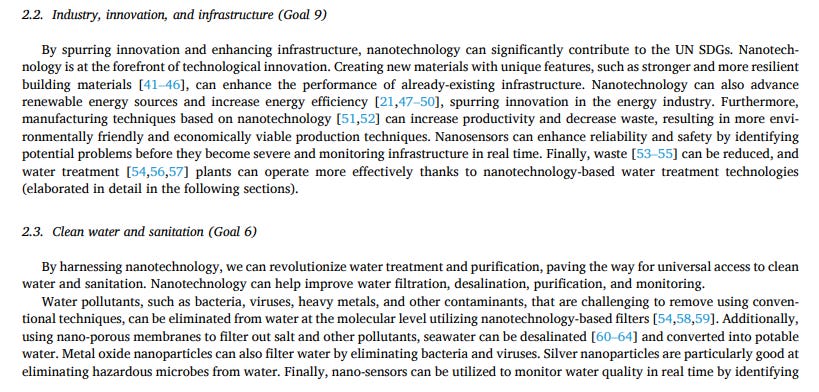
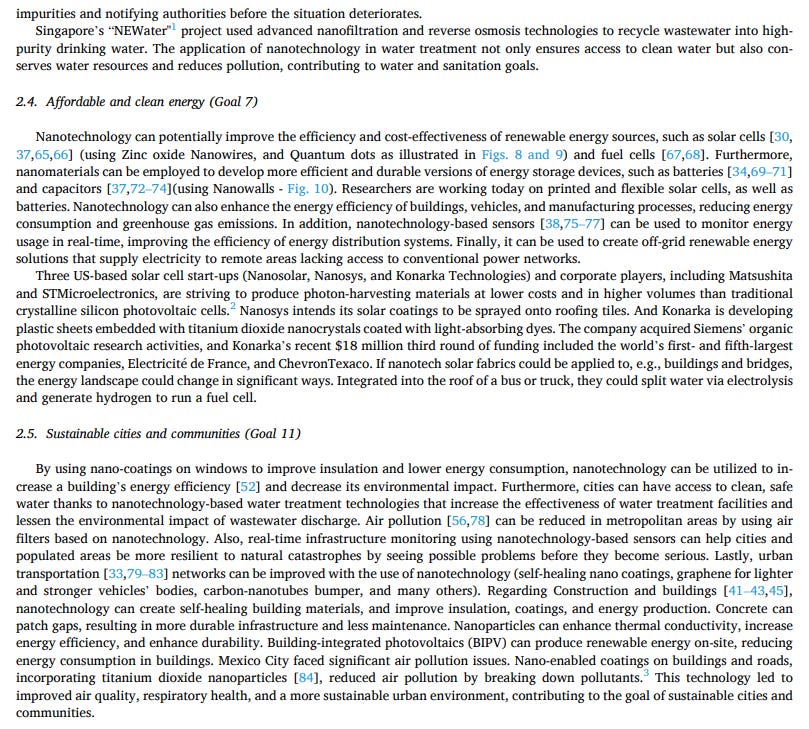
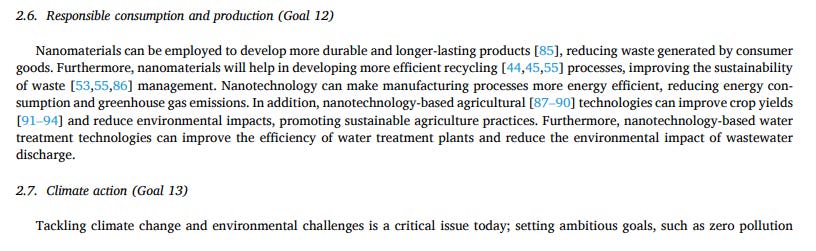
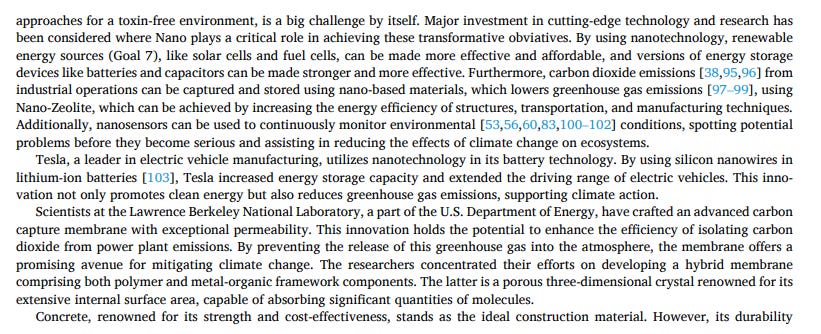
https://www.sciencedirect.com/science/article/pii/S2405844024074243 Nano Revolution: “Tiny tech, big impact: How nanotechnology is driving SDGs progress” – ScienceDirect
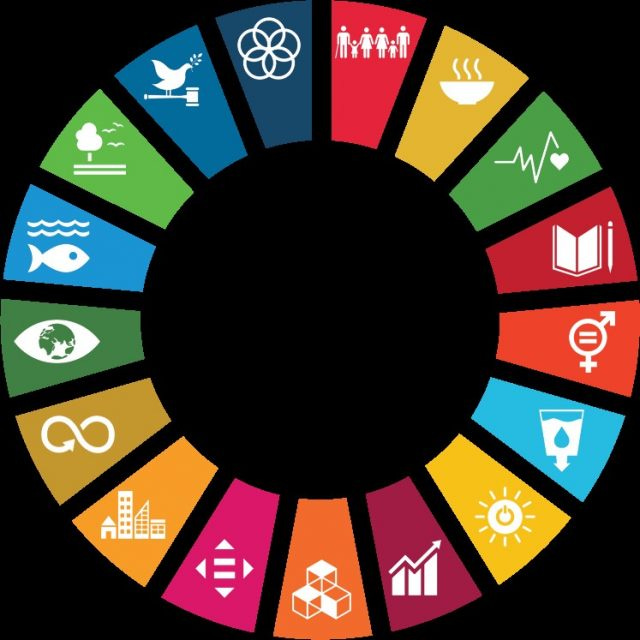
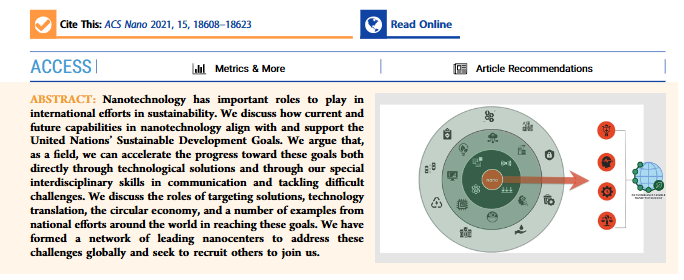
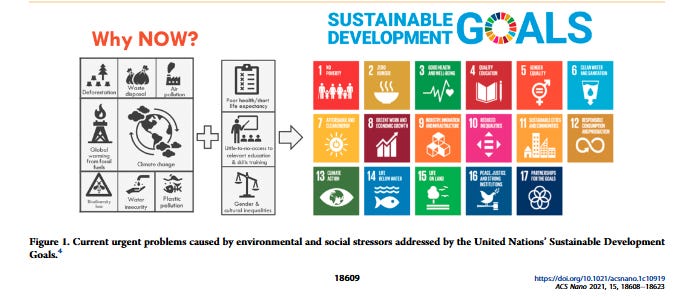
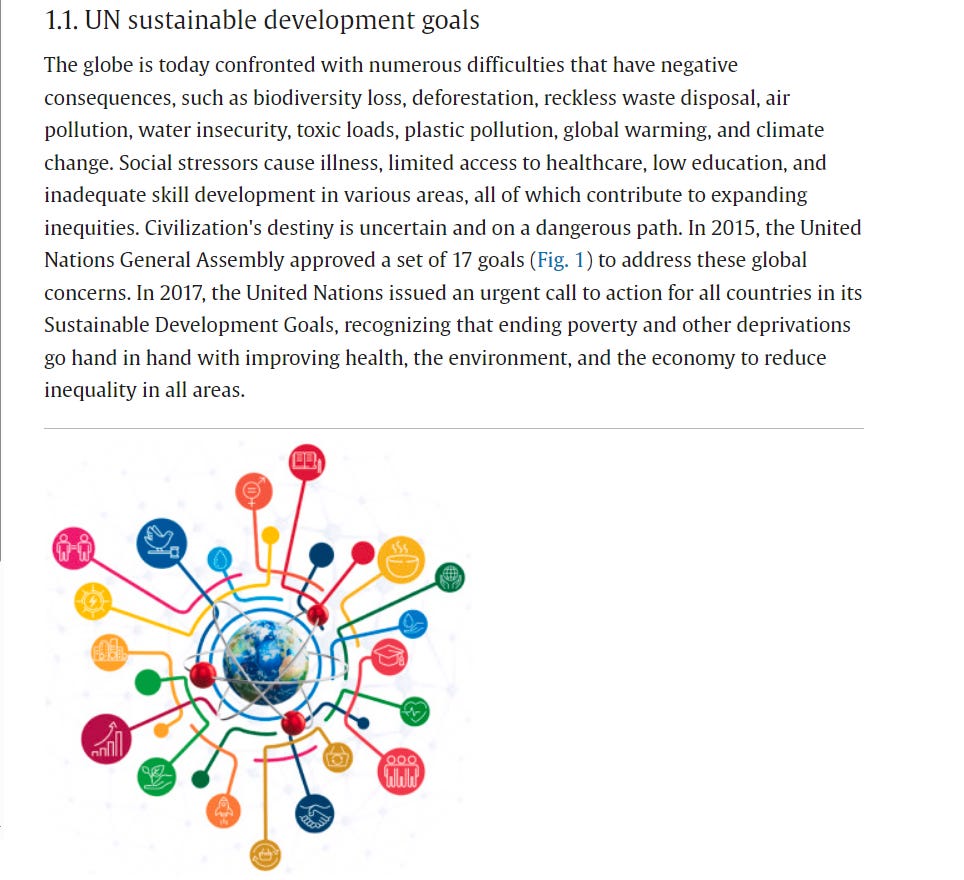
Fig. 1. UN Sustainable Development Goals and Nanotechnology (no poverty; zero hunger; good health and well-being; quality education; gender equality; clean water and sanitation; affordable and clean energy; decent work and economic growth; industry, innovation and infrastructure; reduced inequalities; sustainable cities and communities; responsible consumption and production; climate action; life below water; life on land; peace, justice, and strong institutions; and partnerships for the goals).
2.1. Partnerships for the goals (Goal 17)
http://www.capitalideasonline.com/images/C%20M%20Sampat-Dec11%2C2002.ppt






 Subscribed