
How the Mini Ice Age Sent Europe into Insanity
Sat 7:54 am +00:00, 6 Sep 2025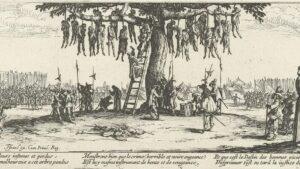
The Little Ice Age was a frigid period that lasted from 1550 to 1850, with the first extreme cold peak occurring in the middle of the 17th century. Increased volcanic activity around the world is believed to have been the main cause for the temperature drop in the Northern Hemisphere. The Little Ice Age had a disastrous impact on agricultural production. This led to food shortages, economic instability, and great civil unrest in Europe. This period of political and social turmoil would lead directly to the Thirty Years’ War as regions and social classes battled for decreasing resources and food supplies.
Apart from the general hardship caused by the extreme cold, the conflicts that grew out of this were savage and widespread. The Thirty Years’ Warresulted in the deaths of an estimated 4.5 to 8 million soldiers and civilians due to combat, famine, and disease. While some regions of Germany experienced population decreases of over 50% as a direct result of the social unrest.
The Sack of Magdeburg in 1631 occurred when Imperial and Catholic League troops destroyed most of the Protestant city, killing about four-fifths of its 25,000 inhabitants. After an hour of fighting, the city walls were breached and soon became defenseless.
The city was set ablaze, with fire spreading to engulf 1,700 of its 1,900 buildings. What citizens who did not perish in the fires found themselves hanged en masse. What the Thirty Years’ War tells us is that when resources become rare, people will often divide across ethnic and religious lines, and each side will seek to exterminate the other over what little resources remain. Given the unprecedented demographic changes currently taking place in Europe, we would do well to pay attention to the Thirty Years’ War. All it takes is for the food to run out…or in today’s Europe, the central heating to stop working and the lights going out.
Thomas Sheridan.